Living in Cache Valley, you know that our weather doesn’t exactly play nice, swinging from scorching high-altitude sun to buried-in-snow winters without much warning. When you’re looking at your property line, you need a barrier that isn’t going to surrender to the elements after a few seasons. That’s exactly why we need to have an honest chat about white Vinyl fencing and why it seems to be the heavy favorite around town.
So, What’s the Deal with Vinyl and Weather?
You might look at a Vinyl Fence and think, “It’s just plastic, right?” Well, yes and no. It’s a bit more complicated than that. Modern vinyl fencing is made from PVC (polyvinyl chloride), but it’s the special sauce added to the mix that matters. It’s engineered specifically for outdoor exposure.
Here’s the thing: basic plastic gets brittle. We’ve all seen cheap patio chairs that snap after one summer in the sun. But high-quality vinyl fencing materials are formulated with impact modifiers and UV inhibitors. Think of it like sunscreen that’s baked right into the material, not just slathered on top.
This is crucial for us in Logan. Because we are at a higher elevation, the UV rays here are significantly stronger than they are at sea level. A material that works fine in Seattle might fail here because the sun is just more intense.
The “Sunblock” for Your Fence
Let’s get a little technical for a second—but I promise to keep it painless. The secret ingredient in white vinyl fences is something called Titanium Dioxide (TiO2).
If you look at the ingredients on a bottle of high-end sunscreen, you’ll probably see TiO2 listed there. In the fencing world, manufacturers use this compound in the outer layer of the vinyl extrusion. It reflects the sun’s rays rather than absorbing them.
- Reflection vs. Absorption: Darker colors absorb heat. If you’ve ever touched a black car hood in July, you know it burns. White vinyl reflects that energy.
- Preventing the Yellow: Old or cheap vinyl used to turn a weird shade of yellow over time. With modern UV protection, high-quality white vinyl stays white. It doesn’t chalk, and it doesn’t fade.
Honestly, this is why white is such a dominant choice. It’s not just about the classic “white picket fence” look; it’s actually a functional choice to keep the fence cooler and structurally sound.
Handling the Deep Freeze
Okay, summer is one thing. But we all know the real test in Logan is January. When the temperature drops below zero, materials change. Wood contracts and dries out. Metal gets cold and can become brittle.
So, how does weather-resistant vinyl handle the freeze?
It comes down to flexibility. Vinyl has a certain amount of give. When the wind howls down the canyon and hits your fence, a rigid material might snap. Wood fences often fail because the posts rot at the ground level, and then a heavy snow load pushes them over.
Vinyl is designed to have a bit of flex. It can absorb the pressure of a gust of wind without permanently deforming. However, I won’t lie to you—vinyl does become less flexible in extreme cold. If you hit it with a sledgehammer at -10 degrees, it might crack. But under normal environmental stresses—wind, snow accumulation, and temperature shifts—it holds up incredibly well.
The Snow Load Factor
Speaking of snow, let’s talk about the weight. Wet, heavy snow can destroy a fence.
- Slick Surfaces: Because vinyl is smooth and non-porous, snow and ice have a hard time gripping it. It tends to slide off rather than building up into a heavy, fence-crushing shelf.
- Moisture Resistance: This is the big one. Wood absorbs water. Water freezes and expands. That cycle splits wood over time. Vinyl is waterproof. It doesn’t care if it’s buried in a snowbank for three months. When the snow melts, the fence is exactly the same as it was before winter started.
Comparison: Wood vs. Vinyl in Cache Valley Climate
Sometimes it helps to see it side-by-side. We love wood fences—they have a natural beauty that is hard to beat—but when we look strictly at weather resistance, the differences are stark.
| Feature | Wood Fencing | White Vinyl Fencing |
|---|---|---|
| Moisture Absorption | High (leads to rot/warping) | None (impervious to water) |
| UV Resistance | Low (needs stain/paint regularly) | High (embedded TiO2 protection) |
| Wind Tolerance | Good (until rot sets in) | Excellent (flexible design) |
| Cold Weather | Contracts/Splits | Becomes rigid but resists rot |
| Maintenance Needed | High (staining every 2-3 years) | Very Low (wash with a hose) |
The Wind Element: It’s All in the Installation
You can buy the best vinyl fence panels on the market, but if they aren’t installed right, the Logan wind will take them for a ride.
You know those breezy afternoons where the wind seems to come from every direction at once? A fence acts like a sail. It catches all that air.
We handle this by focusing on the posts. The structural integrity of a vinyl fence actually comes from the steel or aluminum inserts often placed inside the posts, and how deep those posts are set in concrete.
- Deep Footings: We dig deep. We have to get below the frost line so the fence doesn’t heave when the ground freezes and thaws.
- Reinforcement: Gate posts and corner posts usually get metal stiffeners inside the vinyl sleeve. This gives you the weather resistance of vinyl on the outside, with the brute strength of metal on the inside.
It’s a system that works together. The vinyl sheds the weather, and the installation anchors it against the force.
Does It Ever Warp?
This is a fair question. You might have seen a vinyl fence somewhere that looks a bit wavy, like bacon left in the pan too long.
That usually happens for one of two reasons, and neither is really the fault of the material itself:
- Heat Traps: If a BBQ grill is placed right next to the vinyl, or if heavy landscaping reflects intense heat onto a specific spot, it can soften. But from ambient sunlight alone? Highly unlikely with quality material.
- Tight Installation: Vinyl expands and contracts with temperature changes. It breathes. If the rails are shoved too tightly into the posts during installation, they have nowhere to go when they expand in the summer heat. So, they bow.
When we install residential fencing in Logan, we leave room for this thermal expansion. It’s a small detail, but it prevents that wavy look down the road. It’s knowing how the material behaves in our climate, not just reading the manual.
Low Maintenance is a Weather Feature
You might not think of “low maintenance” as a weather feature, but it is. Why? Because the reason other fences need maintenance is because of the weather.
You stain a Wood Fence to protect it from rain and sun. You scrape rust off an Iron Fence because of humidity and snow.
With white vinyl fencing, the “maintenance” is mostly cosmetic. The rain usually washes the dust off. If you get some mud splash-up or some grass stains from the lawnmower, a quick spray with the garden hose sorts it out. If you’re feeling ambitious, a sponge with some mild soap makes it look brand new.
There is no sanding. There is no painting. There is no sealing.
In a place where we want to spend our summers hiking in Logan Canyon or boating at Bear Lake—not spending three weekends sanding a fence—this durability is a massive lifestyle benefit.
Is White the Only Option for Weather Resistance?
We’ve focused heavily on white vinyl here. And for good reason—it is naturally the most heat-reflective. But technology has come a long way.
There are tan, gray, and even wood-grain texturized vinyl options now. These darker colors use different acrylic formulations to resist heat buildup. They are fantastic and hold up very well.
However, white remains the champion of thermal efficiency. It stays the coolest to the touch. If you have kids playing in the yard or pets that like to lean against the fence, white is physically cooler in July. It’s a small comfort thing, but it counts.
Why This Matters for Logan Homeowners
Let’s be real for a moment. A fence is an investment. It’s not something you want to buy twice.
When you choose a material that fights back against the specific weather patterns of Northern Utah—the high UV index, the freeze-thaw cycles, the heavy snow loads—you are protecting your wallet in the long run.
A wood fence might be cheaper on day one. But calculate the cost of stain every two years, the time spent applying it, and the eventual replacement of rotted posts in 10 or 15 years. Suddenly, that long-lasting vinyl fence looks like the financial winner.
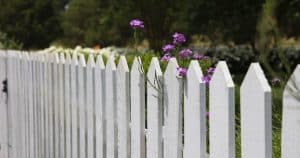
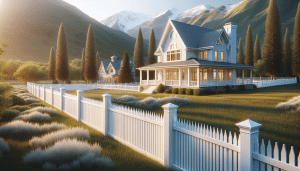
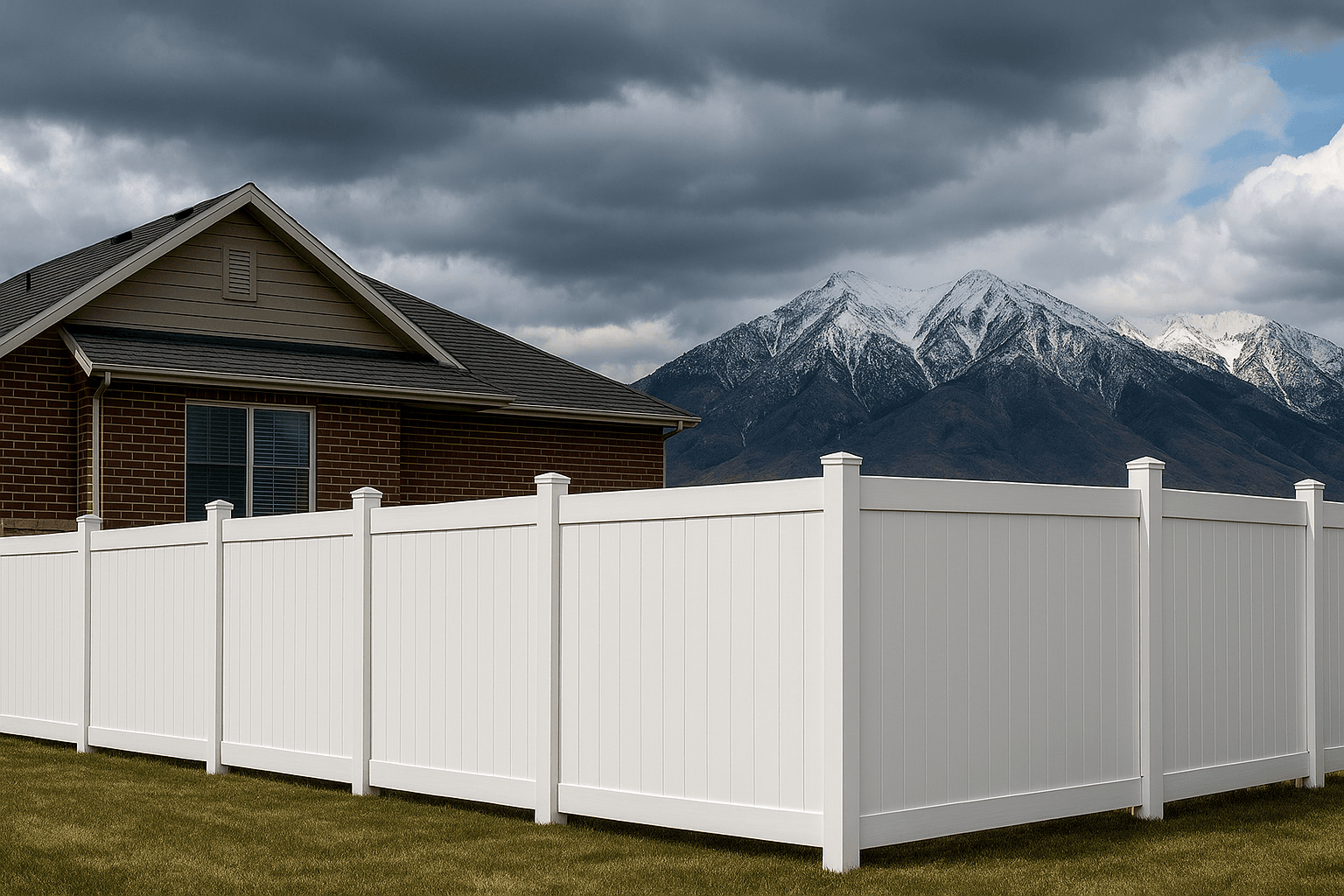
Plus, there is the curb appeal factor. A crisp, clean white fence against a green lawn (or even against a white snowbank) looks sharp. It frames the house. It adds a finished look that doesn’t deteriorate just because we had a harsh winter.
Ready to Weather-Proof Your Yard?
We know you have choices when it comes to fencing. But we also know what works in Logan. We’ve seen what the seasons do to lesser materials, and we want to build you something that stands the test of time.
Whether you are looking for privacy, safety for your pets, or just that classic American look, we can help you design a fence that handles the weather as well as it handles your budget.
Don’t let another season wreak havoc on your property line. Let’s get it done right.